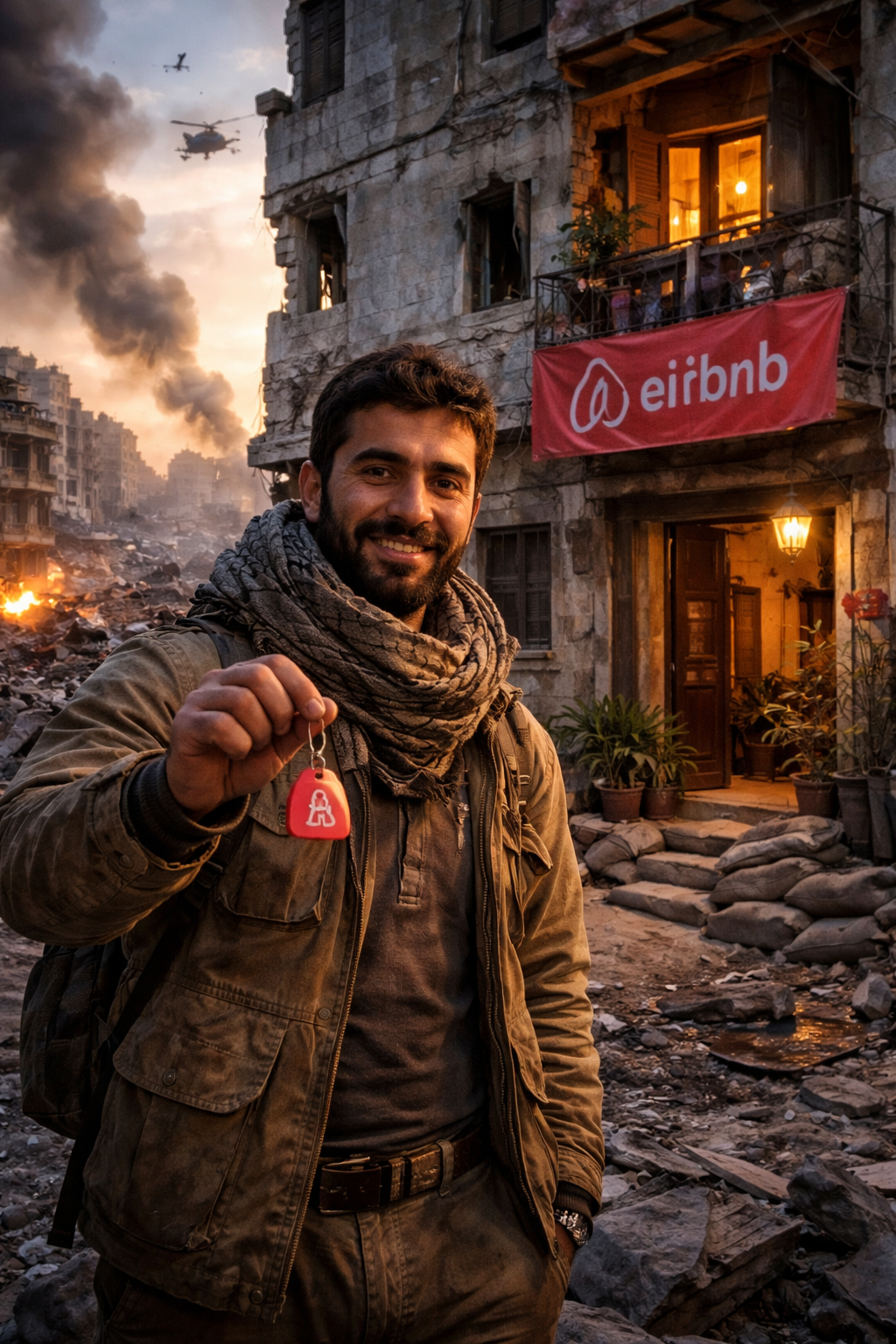
Hosting with Compassion During War: How to Protect Guests in Crisis
In times of war and displacement, hosts can become a lifeline. Learn practical, compassionate steps to support guests and act quickly if someone is trapped in your unit.
A word to hosts during painful times
Many families around the world are living through war, displacement, and uncertainty. If you are hosting during this time, your role goes far beyond check-in and checkout. Your property may become a place of safety for people who are scared, separated from loved ones, or trying to find stability. Compassion matters. Clear communication matters. Even small acts—fast replies, flexible support, calm guidance—can help a guest feel less alone.
Why hosts matter in a crisis
When conflict affects a city or region, guests may not know local emergency procedures, safe routes, or trusted contacts. As a host, you can provide critical practical help: emergency numbers, nearest hospitals, shelter locations, transport options, and local support channels. Share this information in a simple welcome message and keep it updated. In moments of fear, clear instructions save time and reduce panic.
If a guest is trapped in your unit: first actions
If a guest tells you they are trapped, treat it as urgent. First, call local emergency services and provide exact address details, floor/unit number, entry access details, and the number of people inside. Second, contact the guest immediately and keep them on a calm, continuous line of communication if possible. Third, advise them to move to the safest available area in the unit, stay low if there is smoke, conserve phone battery, and avoid unsafe exits unless instructed by authorities. Do not rely only on chat—use direct calls where possible.
What to communicate to the guest while waiting for help
Use short, reassuring, practical messages: "Help is on the way," "Stay where you are safest," "I am still here with you." Ask for key updates (injuries, smoke, fire, structural damage, number of people, children or elders present) and pass this to responders. If language is a barrier, use simple words and translation tools. Your tone should be calm and human. Guests in danger need clarity, not long explanations.
Prepare before emergencies happen
Preparation is one of the most compassionate things a host can do. Keep emergency contact details visible in the unit and in your digital guide. Make sure doors, locks, and access codes are documented for first responders when legally appropriate. Keep flashlights, first-aid supplies, and backup power banks available. Train your team on emergency escalation: who calls authorities, who communicates with guests, and who logs updates. Review this plan regularly.
After the incident: support and dignity
After immediate danger passes, support guests with dignity. Help arrange safe relocation, transport, and essential items. Offer documentation needed for insurance or platform support. If possible, check in again the next day—trauma does not end when the incident ends. A compassionate host does not just solve logistics; they help people feel seen and cared for in one of the hardest moments of their lives.